

Mastering the hunt for rare spawns in World of Warcraft is a distinct mechanical progression path that often leads to frustration when approached with a static mindset. Traditional “camping”—standing still for hours—is a deterministic drain on your active playtime and mental energy. For players aiming to secure rare mounts, toys, and gear appearances without the boredom of stationary waiting, establishing a “Short-Loop” routine forms a reliable framework for mastery. It is about maximizing your encounter probability across multiple nodes.

This guide examines how to approach rare hunting efficiently, focusing on the logic of “Spawn-Window Rotation,” the mechanics of cross-character coverage, and the strategic importance of the “Sixty-Second Check” to ensure your collection grows while you remain mobile.
The Logic of Rotational Probability
In modern Azeroth, rare spawns operate on deterministic timers and regional “up-time” windows. A successful hunting plan utilizes “High-Velocity Rotations”: instead of waiting for one rare, you build a circuit that hits five. This increases your mathematical “Rolls-per-Hour” significantly. By the time you finish your loop, the first rare has often passed its minimum respawn threshold. You stop “chasing” a specific timer and start “patrolling” a high-density sector. Mastery of this movement ensures that your hunting sessions are active, engaging, and highly productive.
Core Tactics: The Perimeter Circuit and Sentinel Pings
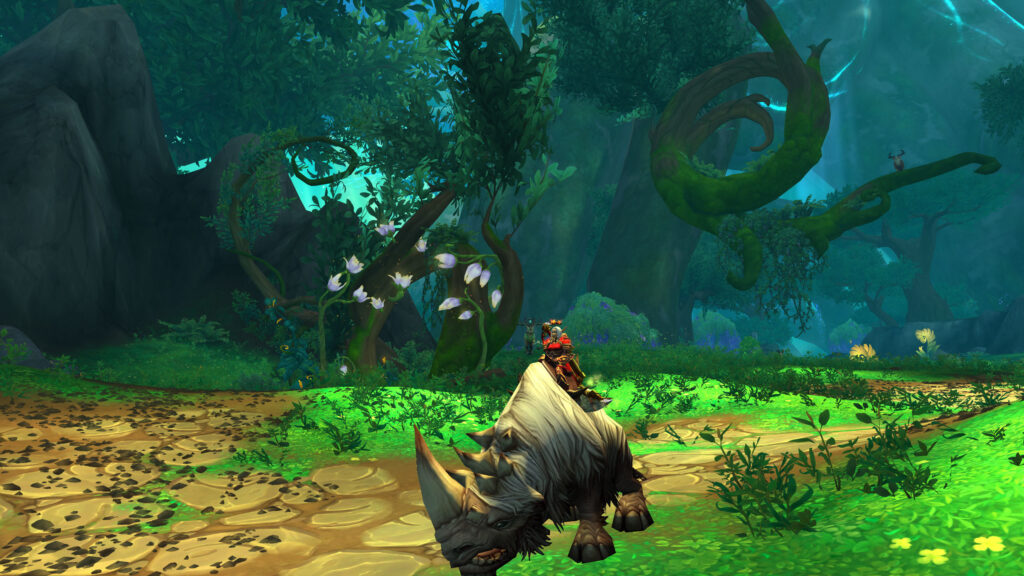
To ensure your rare hunting is high-impact and low-stress, you must utilize these specific “Patrol” habits:
- The “L” and “U” Loop Routes: Map out a path that connects rare spawns in a geometric shape that ends near an extraction or teleport point. Never backtrack. If a rare isn’t up, move to the next “Node” immediately. This 100% forward-momentum strategy ensures you see more of the world and more potential spawns.
- Sentinel Addon Integration: Use addons like “RareScanner” or “SilverDragon.” These provide a deterministic auditory alert the moment a rare enters your sub-zone. By relying on your ears, you can focus on your flight mechanics or inventory management, reducing the visual fatigue of “staring at the horizon.”
- The “Login-Logout” Ping: Park your alts at different rare locations across the globe. Before you start your main session, spend five minutes rotating through these alts. This “Flash-Check” covers three continents in the time it would take to fly across one zone, providing massive coverage with zero travel overhead.
Managing the “Sharding” and Phase Variable
The greatest hurdle to rare hunting is the game’s “Sharding” system, which can move you to a different version of the zone. To counter this, your routine must include “Phase-Hopping.” If your loop is empty, use the Group Finder to join a “World Boss” or “Quest” group in the same zone. This deterministic shift often places you in a shard where the rares are active. A veteran hunter knows that they don’t have to wait for the world to change; they can change their world. By manipulating your phase, you bypass the “depleted” shards and find uncontested targets.
Conclusion: Victory Through Mobility

Rare hunting rewards the mobile and the technologically prepared player. By prioritizing short circuits and utilizing cross-character coverage, you nullify the inefficiency of traditional camping. Integrating these patrol habits into your routine ensures that your collection is constantly expanding, providing a stable path to high-level account mastery through superior spatial organization and timing.