
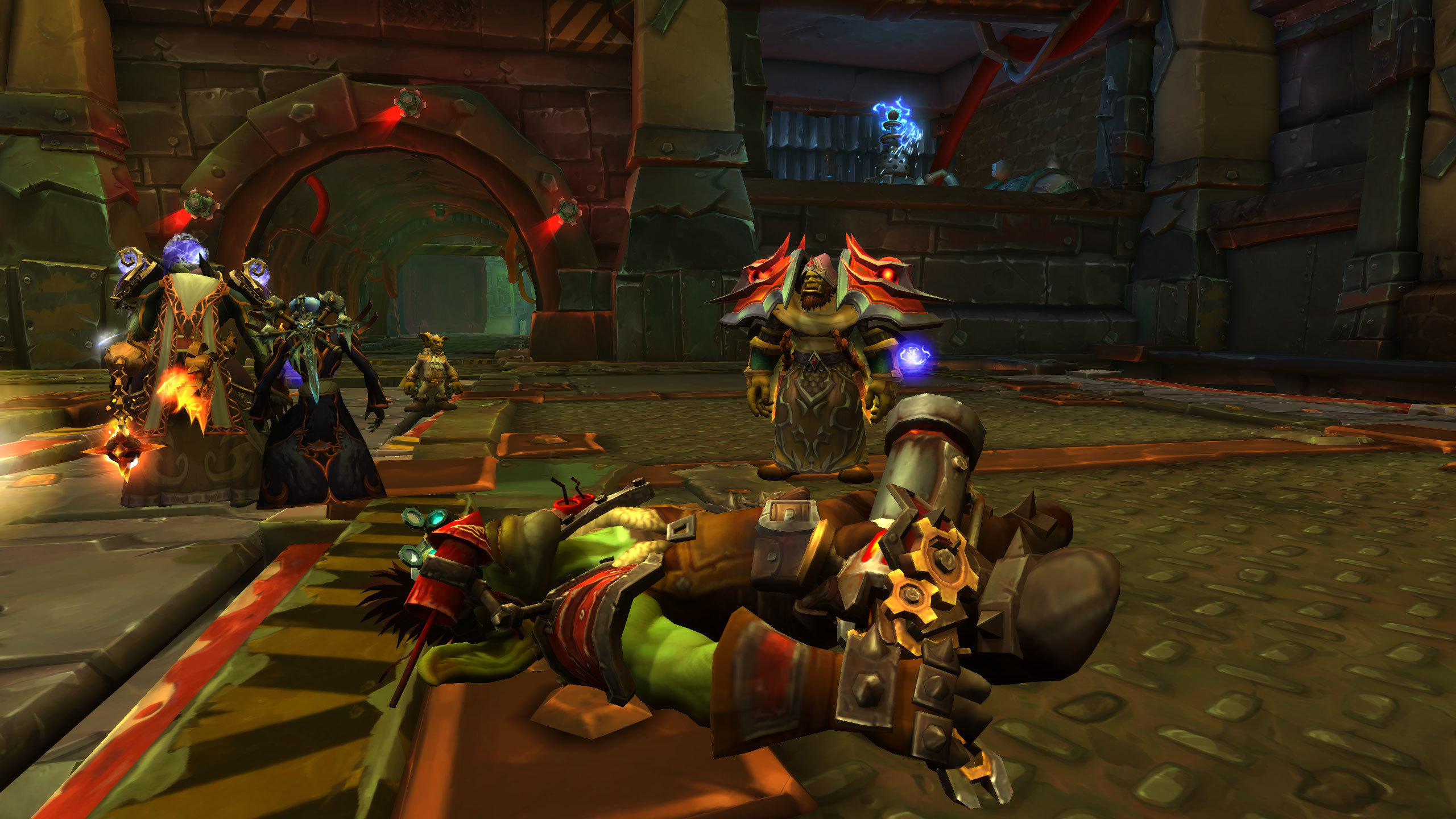
Raid phase transitions are no longer brief pauses between mechanics. They are deliberate pressure points where damage spikes, movement overlaps, and resource strain collide. Success hinges on whether cooldowns are planned for these moments rather than spent impulsively earlier.
Clean transitions often matter more than clean phases.
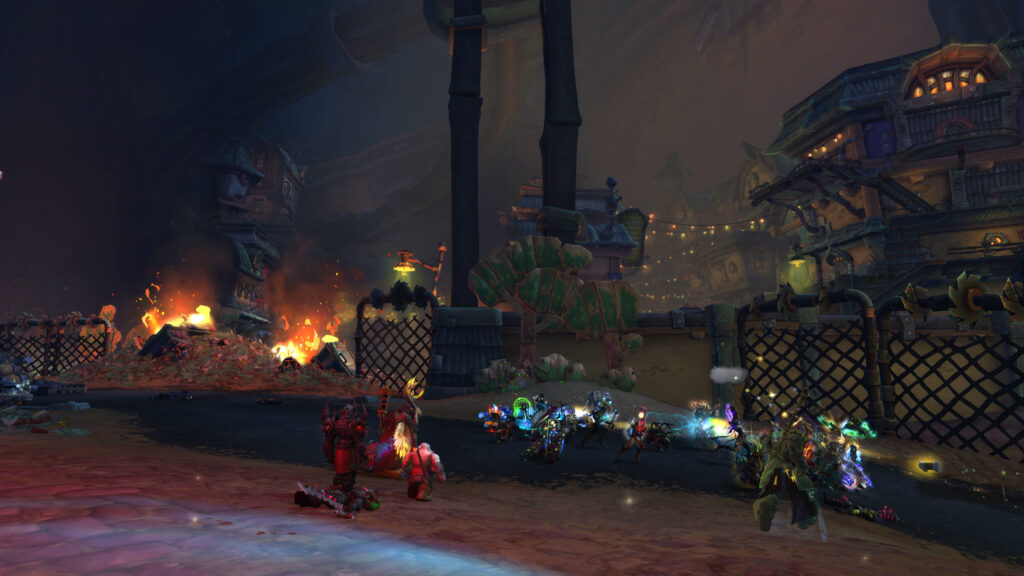
Why Phase Transitions Are the Most Dangerous Moments
Transitions compress multiple threats into short windows. Players reposition, targets change, and new mechanics activate almost simultaneously.
Any lack of preparation is immediately punished.
Cooldown Drift Undermines Progression
Using cooldowns too freely before a transition often leaves groups exposed when pressure peaks. Even strong execution cannot compensate for missing tools.
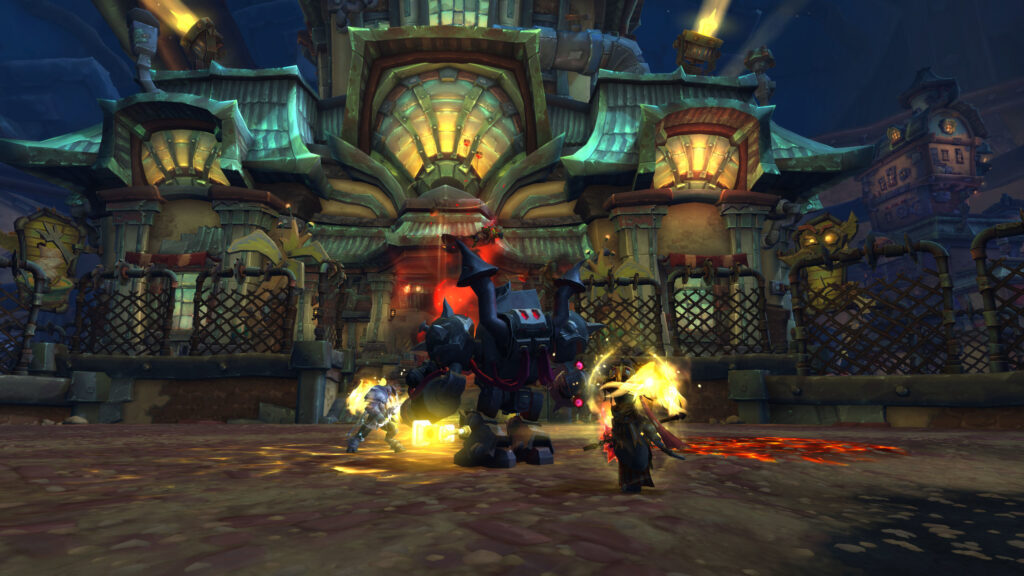
Discipline matters more than raw output.
Cooldowns Commonly Assigned to Transitions
Groups deliberately reserve key tools for phase changes.
- Raid-wide defensives to stabilize health pools
- Mobility cooldowns for forced repositioning
- Burst damage for priority targets or shields
- Recovery tools to reset after overlap damage
Each assignment serves a specific survival purpose.
Planning Versus Reaction
Successful teams enter transitions with a plan rather than reacting mid-chaos. Pre-assigned cooldowns remove hesitation and reduce overlap.

This clarity lowers mental load during critical moments.
Consistency Across Repeated Pulls
Transition planning improves consistency. When cooldown usage is predictable, players focus on mechanics instead of improvisation.
Progress accelerates through repetition.
Conclusion
Raid phase transitions demand precise cooldown planning because they concentrate risk into narrow windows. Groups that prepare deliberately turn chaotic moments into controlled executions, unlocking reliable progression.